




Starting graduate school is exciting, but this new chapter can also bring plenty of questions. What is grad school like compared to the undergraduate college experience? How demanding will the coursework be? Is grad school hard? And how can you prepare for graduate school while managing work, relationships, and other responsibilities?
We’ll be honest: Your first semester will certainly be an adjustment. You will encounter new academic expectations, develop different routines, and begin building relationships with professors and classmates. Knowing what to expect can help you begin your graduate school experience with confidence — and remember that you do not need to have everything figured out immediately!
What Is Grad School Like?
Graduate school is typically more focused, independent, and specialized than undergraduate study. Rather than taking courses across many subjects, you will spend more time exploring your field, applying advanced concepts, and connecting what you learn to research or professional situations.
As a first-year graduate student, you may notice that:
- Classes include more discussion and active participation.
- Readings are longer, more complex, or more specialized.
- Assignments require greater analysis and independent thought.
- Professors expect you to take ownership of your progress.
- Classmates bring professional and personal experiences to conversations.
Graduate school is not simply a more difficult version of college. It is a different approach to learning that asks you to think critically, communicate thoughtfully, and become more independent.
Is Grad School Hard?
Graduate school can be challenging, but that does not mean it is unmanageable.
The difficulty often comes from balancing several demands at once. You may be completing advanced coursework while working, caring for family members, or managing other personal responsibilities. Even students who performed well as undergraduates may need time to adjust to the pace and expectations.
Common challenges for new graduate students include:
- Keeping up with reading and research
- Managing overlapping projects and deadlines
- Participating confidently in class
- Receiving detailed feedback on their work
- Balancing school with work and personal commitments
Finding something difficult does not mean you are unprepared or do not belong! Graduate school is designed to help you develop new knowledge and skills. Asking questions, revising your work, and seeking support are all part of that process.
What Should You Expect From Graduate-Level Coursework?
Graduate coursework generally emphasizes analysis, application, and independent thinking. Instead of only demonstrating that you understand information, you may be asked to evaluate it, challenge it, or apply it to a complex problem.
Depending on your program, assignments may include:
- Research papers and literature reviews
- Case studies
- Presentations
- Laboratory, clinical, or field experiences
- Group projects
- Data analysis
- Professional portfolios
- Capstone projects
You may complete fewer assignments than you did as an undergraduate student, but each one may require more sustained attention. A paper, for example, may involve research, outlining, drafting, revising, and proofreading over several weeks.
Review each syllabus at the beginning of the semester, and record major deadlines in one calendar. Seeing the full semester at a glance can help you prepare for weeks when several responsibilities overlap.
How Can You Manage Your Time in Graduate School?
Time management is one of the most important skills a first-year graduate student can develop. The goal is not to create a perfect schedule. It is to establish a routine that helps you make steady progress without allowing every task to become urgent.
Start by blocking time for:
- Class meetings
- Reading and class preparation
- Research and writing
- Work hours
- Group meetings
- Personal and family responsibilities
- Meals, sleep, exercise, and rest
Break large assignments into smaller steps with individual deadlines. For example: Instead of adding “write research paper” to your calendar, schedule time to select a topic, gather sources, create an outline, draft each section, and revise the complete paper.
It is also important to leave some flexibility in your week. Assignments may take longer than expected, and personal or professional responsibilities can change. Adjusting your schedule is not a failure to plan — it is part of managing your time realistically!
What Is Classroom Participation Like?
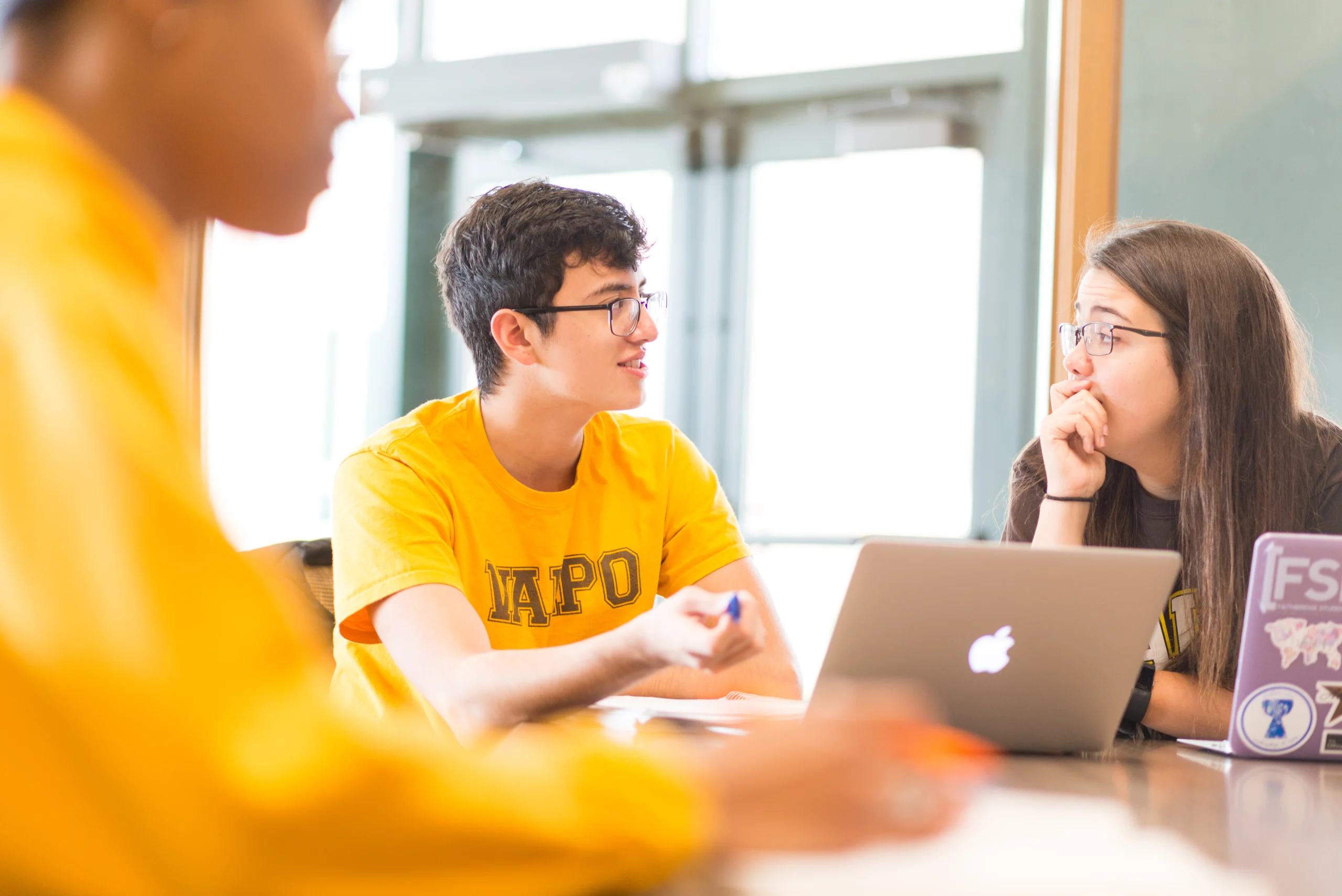
Graduate classes are often smaller and more discussion-based than undergraduate courses. Professors may expect you to arrive prepared to analyze readings, ask questions, and respond to your classmates’ perspectives.
You do not need to have the most polished answer every time you speak. Thoughtful questions and observations are valuable forms of participation. Before class, consider writing down:
- One important idea from the assigned material
- One concept you did not fully understand
- One question you would like the professor to explore
These notes can help you feel more prepared to contribute. Listening carefully is equally important, especially when classmates bring experiences and perspectives that differ from your own.
How Do You Build Relationships With Graduate Faculty?
Graduate professors may become instructors, mentors, research supervisors, professional references, or connections within your field. Building those relationships begins with consistent communication and engagement.
You can connect with professors by:
- Introducing yourself early in the semester and discussing your academic or professional interests
- Attending office hours and asking specific questions about course material
- Requesting clarification before you fall behind
- Responding thoughtfully to feedback
How Can You Balance Graduate School With Work and Life?
Many graduate students are also employees, caregivers, partners, parents, or active members of their communities. Balancing these roles may be one of the biggest adjustments during your first semester. Communicate with the people affected by your schedule. Let family members, friends, roommates, or supervisors know when you expect to be especially busy. You may also need to reduce optional commitments, prepare meals in advance, or reserve certain evenings for schoolwork. Your well-being should remain part of your plan. Sleep, regular meals, movement, and time away from coursework support your ability to learn!
How to Prepare for Graduate School
You cannot predict every part of your first semester, but you can take practical steps before classes begin:
- Review your program requirements and course descriptions.
- Confirm class locations, online platforms, and technology needs.
- Gather required books and materials.
- Add academic, professional, and personal commitments to one calendar.
- Identify writing, research, library, and wellness resources.
- Discuss your anticipated schedule with your support system.
It may take several weeks — or most of the semester — to understand your workload and develop routines that work for you. Adjustment is not a test you pass or fail. Give yourself permission to learn through the experience!
Start Your Graduate School Experience at Valpo
Your first semester of graduate school will challenge you to think differently, manage your time more intentionally, and become more confident in your field. You do not have to navigate that growth alone! At Valparaiso University, graduate students join a strong academic community that offers personalized attention, meaningful faculty mentorship, and flexibility for students balancing academic, professional, and personal responsibilities.
Explore Valparaiso University’s master’s and doctoral graduate programs and discover how Valpo can support your next academic and professional step at valpo.edu/grad.