








When researching colleges, you’ll likely come across terms like “student-to-faculty ratio” and “average class size.” It’s easy to skim these over, but these small details can actually have a big impact on your overall college experience.
Understanding how student-to-faculty ratio and class size affect your education can help you make a more informed college decision.
What Is a “Student-to-Faculty Ratio”?
The student-to-faculty ratio refers to the number of students for every faculty member at a college or university. For example, a 12:1 student-to-faculty ratio means there are 12 students for every one faculty member.
Why the student-to-faculty ratio matters:
- It often reflects how accessible professors are
- It can influence how much individual attention students receive
- It helps indicate the level of academic support available
A lower student-to-faculty ratio is often associated with a more personalized learning environment.
What Is “Average Class Size”?
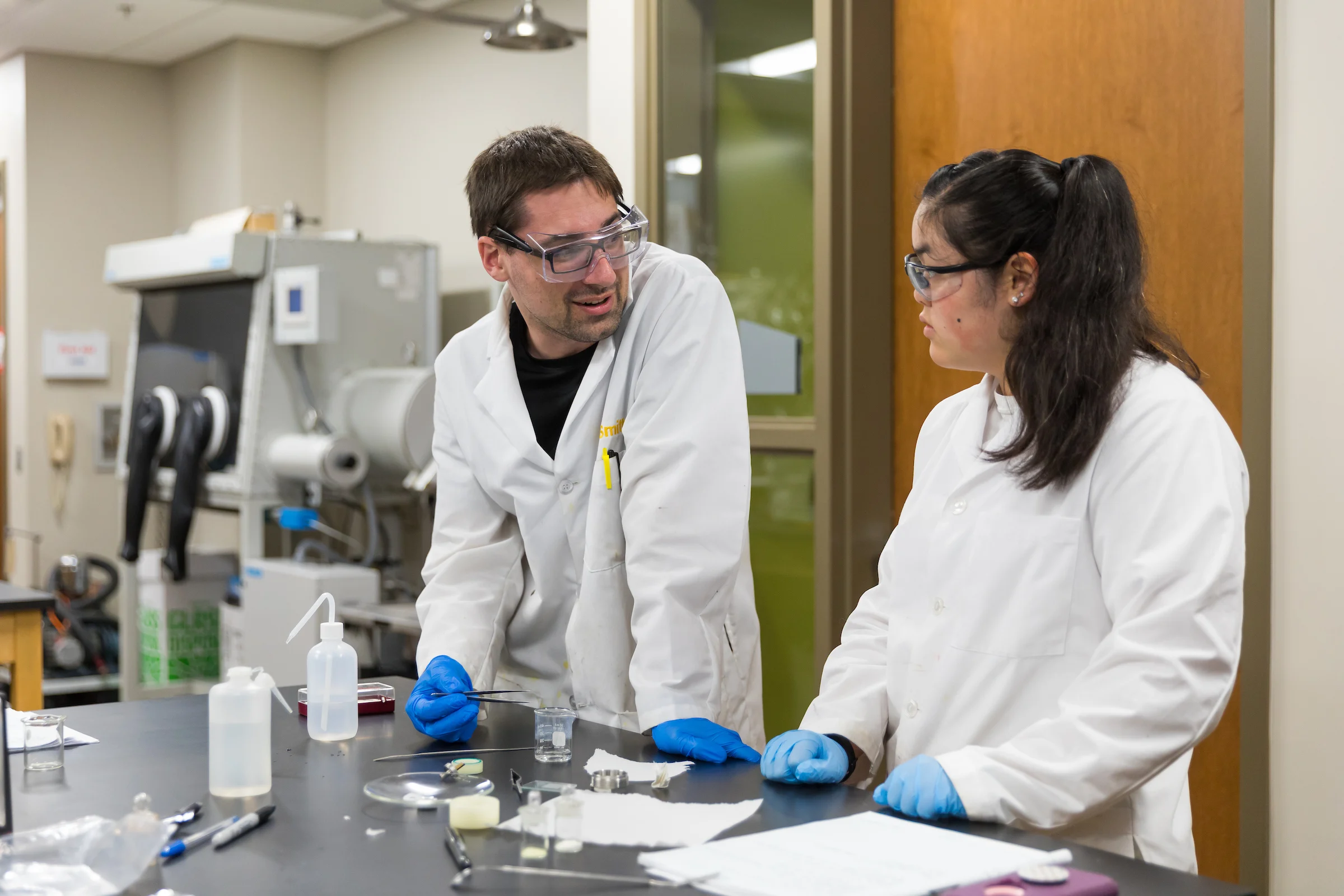
While the student-to-faculty ratio gives a broad overview, average class size shows what you’ll experience day-to-day in the classroom.
Smaller class sizes in college typically mean:
- More opportunities to participate in class discussions
- More opportunities to chat with your and receive one-on-one assistance
- A more interactive learning environment
Larger class sizes may offer less direct interaction, especially in introductory courses that typically enroll larger numbers of students.
Benefits of Small Class Sizes in College
There are several benefits of small class sizes that can shape your academic experience.
In smaller classes, students often experience:
- More direct interaction with professors
- Increased participation and engagement
- Stronger relationships with classmates
- Greater accountability and focus
These benefits of small class sizes in college can help students stay engaged and better understand course material.
How Student-to-Faculty Ratio Impacts Learning
The student-to-faculty ratio plays a key role in how students learn and interact in college.
What to expect with a lower student-to-faculty ratio:
- More opportunities to ask questions
- Greater access to your professors outside of class
- More personalized feedback on assignments
- Increased support when challenges arise
A higher ratio may make it more difficult to build those connections.
Faculty Access and Support
One of the biggest advantages of a strong student-to-faculty ratio is greater access to your professors.
When professors are more accessible, students are more likely to:
- Seek help when needed
- Build mentorship relationships
- Engage more deeply in their coursework
- Feel supported academically
This level of connection can make a meaningful difference during your college experience!
Why Class Size Matters for Your College Experience
Both class size and student-to-faculty ratio contribute to how supported and engaged you feel as a student.
Together, they impact:
- Classroom participation
- Confidence in asking questions
- Quality of feedback and instruction
- Overall academic success
Understanding these factors helps you choose a college that aligns with your learning style.
Making the Right College Choice
When evaluating colleges, it’s important to look beyond rankings and consider how you’ll actually learn.
Key things to consider:
- What is the student-to-faculty ratio?
- What are the average class sizes?
- Will you have access to your professors?
- Does the environment support your learning style?
These questions can help you better understand what to expect from your college experience – as well as help you build the experience you want to have.
A More Personalized College Experience
At Valparaiso University, students benefit from small class sizes and a supportive student-to-faculty ratio that encourages meaningful connections with faculty.
With personalized attention, engaged learning environments, and strong academic support, Valpo helps students build confidence and succeed throughout their college journey. Explore how Valparaiso University creates a more personalized college experience at valpo.edu.