




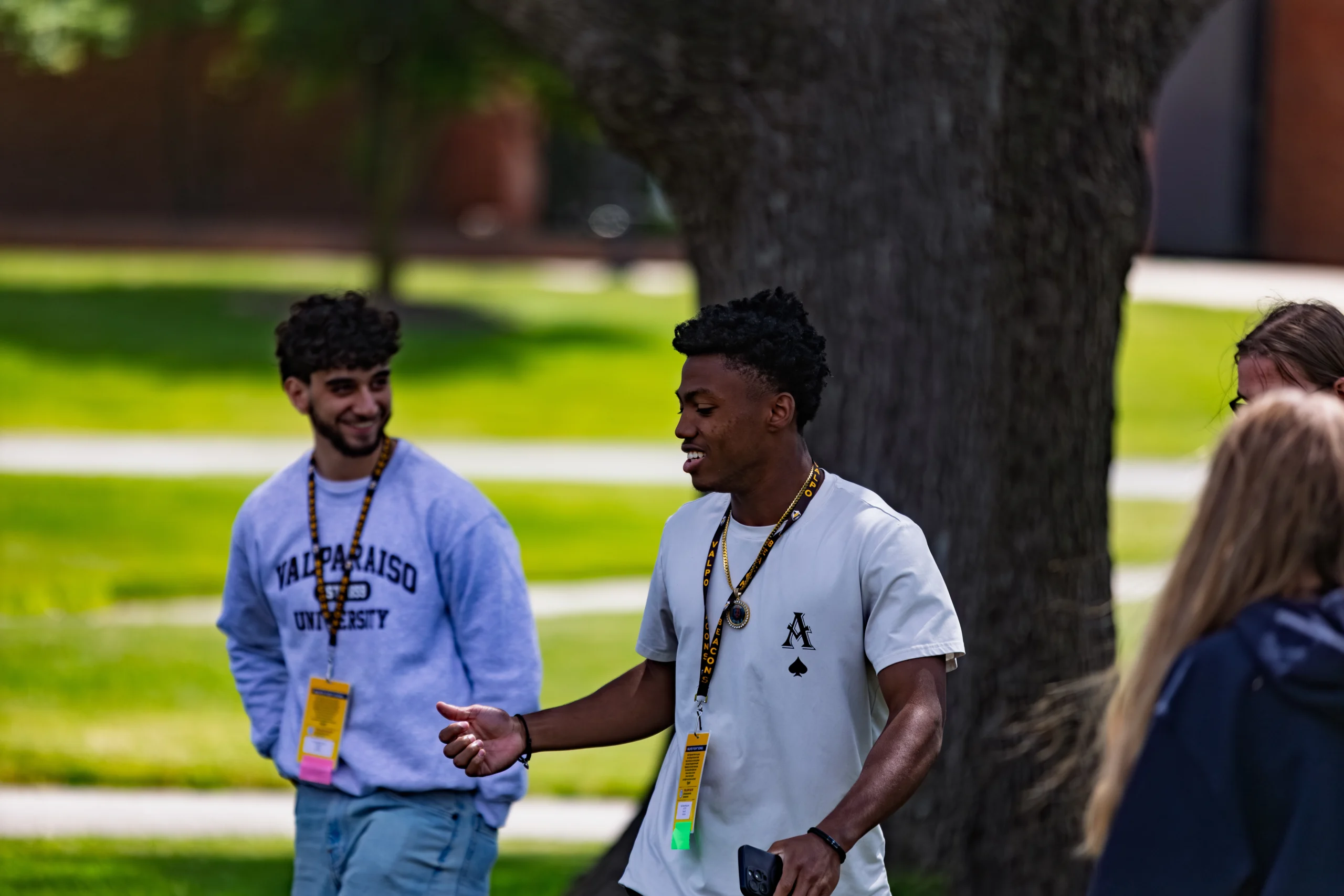
Starting college can feel like stepping into a completely new social world. You may be living somewhere unfamiliar, meeting dozens of people at once, and trying to find your place in it all – on top of adjusting to classes and new responsibilities!
Some students form friendships quickly. Others may start feeling connected in the following weeks or months. Both experiences are normal! Learning how to adjust to college socially is not about becoming friends with everyone immediately – it’s about creating regular opportunities to meet people, trying activities that interest you, and allowing relationships to develop over time.
How Long Does It Take to Adjust to College?
Regardless of what popular college-centric movies, TV shows, and books might say, there is no single timeline for adjusting to college life. You might feel comfortable during your first week, or you may need most of the semester to establish routines and build meaningful relationships.
Social adjustment is rarely a straight line. You may have a great conversation one day and feel lonely the next – that does not mean you are doing anything wrong.
Signs that you are beginning to adjust may include:
- Recognizing familiar faces around campus
- Having someone to sit with during class or meals
- Knowing which activities you enjoy
- Feeling more comfortable starting conversations
- Developing a routine that makes campus feel familiar
Give yourself time. Belonging usually grows through small, repeated interactions rather than one major social breakthrough.
Start With the People Around You
One of the easiest ways to meet people is to begin with those you already see regularly. Classmates, neighbors, roommates, lab partners, and co-workers can become natural connections because you share a schedule or experience.
Try simple conversation starters:
- “What did you think of the assignment?”
- “Are you going to the event tonight?”
- “Do you want to study together before the exam?”
- “Have you found a good place to eat around campus?”
- “What other classes are you taking?”
You don’t need an especially clever introduction. A friendly question can create an opening for another conversation later!
Consistency matters, too. Sit near the same people in class, attend recurring events, or study in a familiar campus space. Seeing people repeatedly makes it easier to move from recognizing someone to actually knowing them.
Join Groups That Match Your Interests
Student organizations are among the best ways to meet people who already share something with you. Look for groups connected to your academic interests, culture, faith, hobbies, service, athletics, advocacy, or future career.
And don’t worry – you don’t need to join everything! Choose one or two activities that genuinely interest you and attend more than once before deciding whether they are a good fit. (The first meeting may feel awkward because everyone is still learning names and routines!)
When exploring social groups for first-year students, consider:
- Academic or professional organizations
- Intramural sports or recreation programs
- Cultural and identity-based groups
- Music, theater, art, or media organizations
- Faith communities
- Volunteer and service opportunities
- Student government or campus programming groups
Taking on a small responsibility can also help you connect with peers. Volunteering at an event or joining a committee gives you a reason to work alongside other students instead of relying only on small talk!
Meet People Outside of Parties
The college social scene includes much more than parties. In fact, some of the strongest friendships begin during ordinary activities. The best ways to meet people at college besides parties include:
- Attending campus events
- Joining a study group
- Eating in shared dining spaces
- Participating in residence hall activities
- Working an on-campus job
- Volunteering
- Exercising or playing intramural sports
- Inviting someone to get coffee or walk to class
What Should You Do If You Feel Lonely?
Feeling lonely during your first semester does not mean everyone else has already found their closest friends. Many students are experiencing the same uncertainty, even when they appear confident.
When you feel disconnected, try taking one manageable step:
- Send a message to someone from class.
- Attend an event for at least 30 minutes.
- Study in a shared space instead of alone.
- Invite someone to eat with you.
- Talk with a resident assistant, advisor, or trusted professor.
- Call someone from home, while continuing to make room for new connections.
Try not to judge your experience based on social media. Other students may share exciting moments without showing the uncomfortable or lonely parts of adjusting to college life.
If loneliness begins affecting your sleep, appetite, coursework, or well-being, don’t be afraid to reach out for support. Asking for help is a healthy response to a major transition.
Find Your Community at Valpo
At Valparaiso University, students can build connections through classes, residence life, student organizations, campus events, service, recreation, and shared traditions. Valpo’s welcoming campus community offers students many ways to meet people while discovering the groups and experiences that feel meaningful to them.
You do not have to find your entire social circle during your first week. Start with one conversation, one activity, or one invitation, and allow your community to grow from there.
Explore Valparaiso University and discover a welcoming campus community where you can connect, get involved, and find your place at valpo.edu.