
If you’ve found yourself thinking: Is it too late to go back to school? Am I too old for graduate school? It’s been 30 years since I’ve gone to school – how can I possibly do this?
You are not alone!
Many adults consider returning to college after 10, 20, or even 30 years out. And almost all of them experience the same doubts:
- What if I’m not academically prepared?
- What if I can’t keep up with technology?
- What if I don’t belong in a classroom anymore?
If these questions are running through your mind, this guide is for you.
Am I Too Old for Graduate School?
Let’s start with the most common question: Is it too late to go back to school?
No.
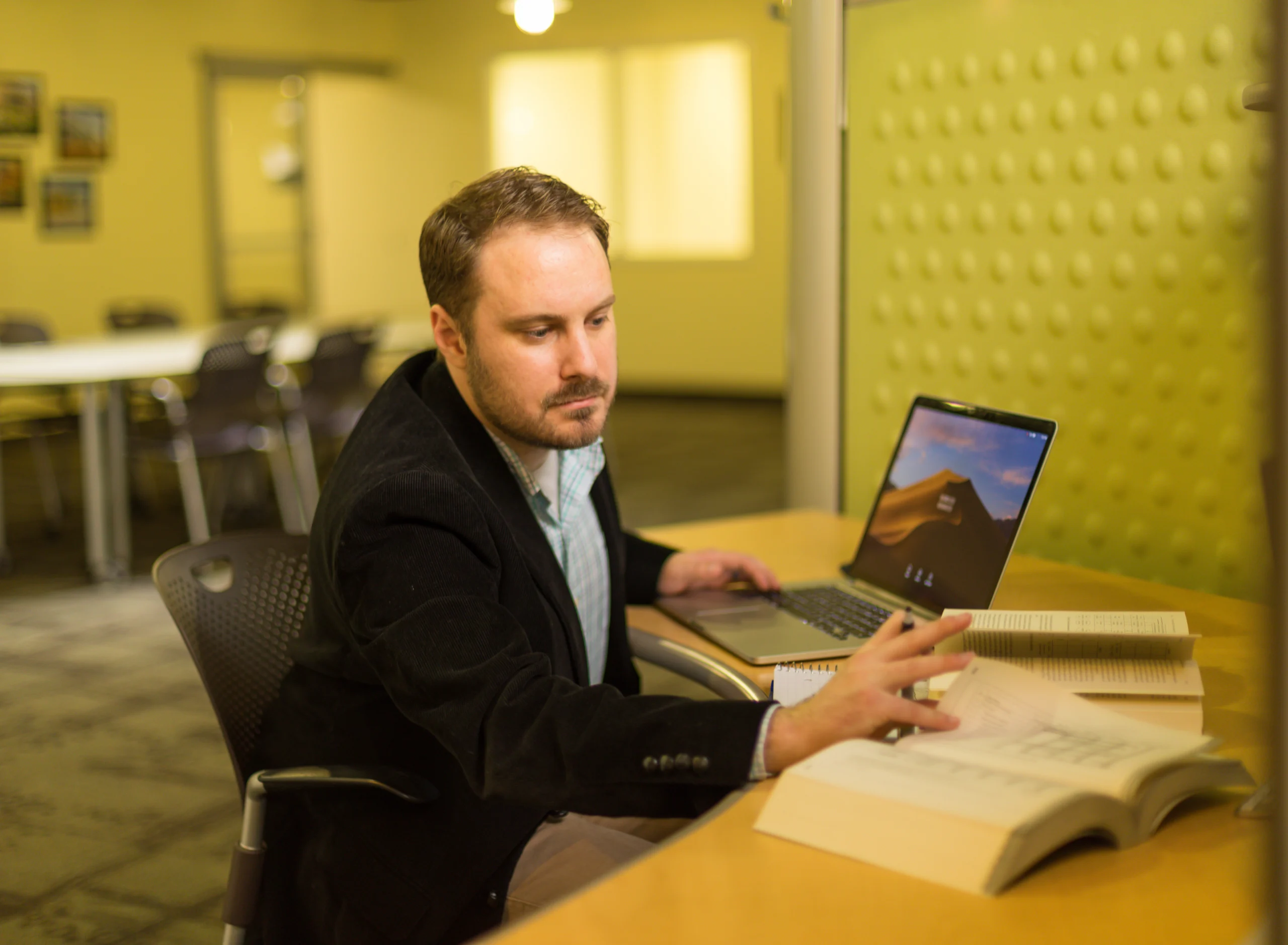
Adult learners – including those aged 40, 50, and beyond – are enrolling in graduate programs at increasing rates. Employers value advanced credentials and professional growth at every stage of life, and furthering your education is a tried and true path to achieving both
More importantly, age is not a liability in the classroom. It is often a strength. Adult learners bring:
- Clear motivation
- Leadership maturity
- Professional networks
- Real-world problem-solving skills
- Work experience
You are not behind. You are experienced.
Going Back to School After 30 Years: Academic Readiness
It’s normal to worry about academic skills after a long gap. But, at the end of day, here are the skills that matter most for succeeding in graduate school:
- Communication
- Critical thinking
- Time management
- Willingness to ask questions
Most programs provide writing support, research guidance, and faculty feedback. Academic success is not about remembering everything from decades ago – it’s about engaging consistently and applying effort.
Many adult learners discover they perform better academically now than they did earlier in life. Why? Because the motivation is different! You’re not there because you “have to be.” You’re there because you chose to be.
Technology Anxiety: What If I Can’t Keep Up?
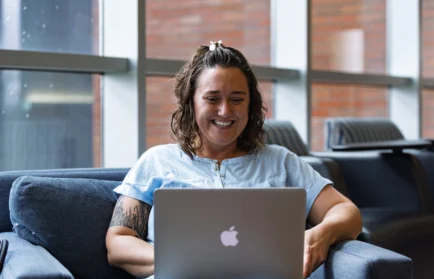
Technology is one of the biggest fears for adults returning to college. Learning management systems, virtual classrooms, online research databases – it all can feel overwhelming at first.
But here’s the truth: Most graduate programs assume students will need orientation to technology. Tutorials, IT support, and faculty guidance are standard components of modern education. You don’t need to be a tech expert. You need to be willing to learn.
Many adult learners find that once they log in and navigate the system a few times, the fear fades quickly.
Balancing Work, Family, and School
Returning to college as an adult often means juggling:
- Community involvement
- Family responsibilities
- Financial obligations
- Full-time work
This is not the same as attending school at 22 years old. And the key to success is structure.
Practical Strategies for Adult Students
- Ask for flexibility when needed
- Break assignments into smaller milestones
- Communicate expectations with family
- Use a digital calendar to block study time
- Treat coursework as a professional commitment
Plus, graduate programs designed for working professionals often offer evening, hybrid, or flexible formats to accommodate real-life demands.
Financial Concerns and Return on Investment
Another common question: Is going back to school worth it? Graduate education can lead to:
- Career advancement
- Expanded professional options
- Leadership opportunities
- Licensure eligibility
- Salary increases
While financial planning is important, many adults view returning to school as a long-term investment – not just in income, but in fulfillment and stability.
If you’ve been thinking about advancing
Feeling Out of Place Among Younger Students
Some adult learners worry about sitting next to classmates half their age.
In reality, graduate programs often include students across age ranges. And your life experience can become one of your greatest assets. You may even find that younger students value your perspective; group discussions often benefit from professional insight and lived experience.
Belonging in graduate school is not about age – it’s about engagement.
The Strengths You Bring to the Classroom
If it’s been 30 years since you’ve gone to school, consider what you’ve gained in that time:
- Adaptability
- Conflict resolution skills
- Emotional intelligence
- Professional resilience
- Strategic thinking
These are qualities many programs actively seek. Returning to college as an adult is not starting over. It’s building forward.
If You’re Still Asking, “Can I Really Do This?”
Yes.
But not because it will be effortless.
You can do this because:
- You’ve managed responsibilities before.
- You’ve solved complex problems.
- You’ve learned new systems in your career.
- You’ve navigated change successfully.
Graduate school is a structured challenge – and you have decades of experience navigating challenges.
If you’re exploring flexible graduate programs designed for working professionals and adult learners, consider learning more about opportunities at Valparaiso University at valpo.edu/grad. Connect with graduate admission to discuss your goals and explore programs that support adult learners through mentorship, flexibility, and community.
It’s not too late! It’s simply a new chapter.